New methods for conveying information

Embracing alternative paths for communication

Information can be conveyed in many different methods varying form text to numbers to images. We tend to believe there is an obvious way of relaying information; qualitative or subjective experiences are suited to words, and the quantitative data or information through numbers.

But at times experiences can't be put into words, and numbers can't always convey the full experience. I believe in exploring alternative ways of communicating. Just as we can use imagery or metaphor to tell a story, we can also use it to convey information or data. Our experience will surely change as a result. What happens when our thermostat no longer uses degrees, but uses words or pictures? What new experiences emerge when we record stories not in a written diary, but in an image?

MSc Track Course: Research Methods & 
Publication at EPDE 2023 Conference (Accepted, First Author)

Landscape Metaphors for Design Students' Identity and Vision Development

Key Developments:   Design & Research Processes, User & Society

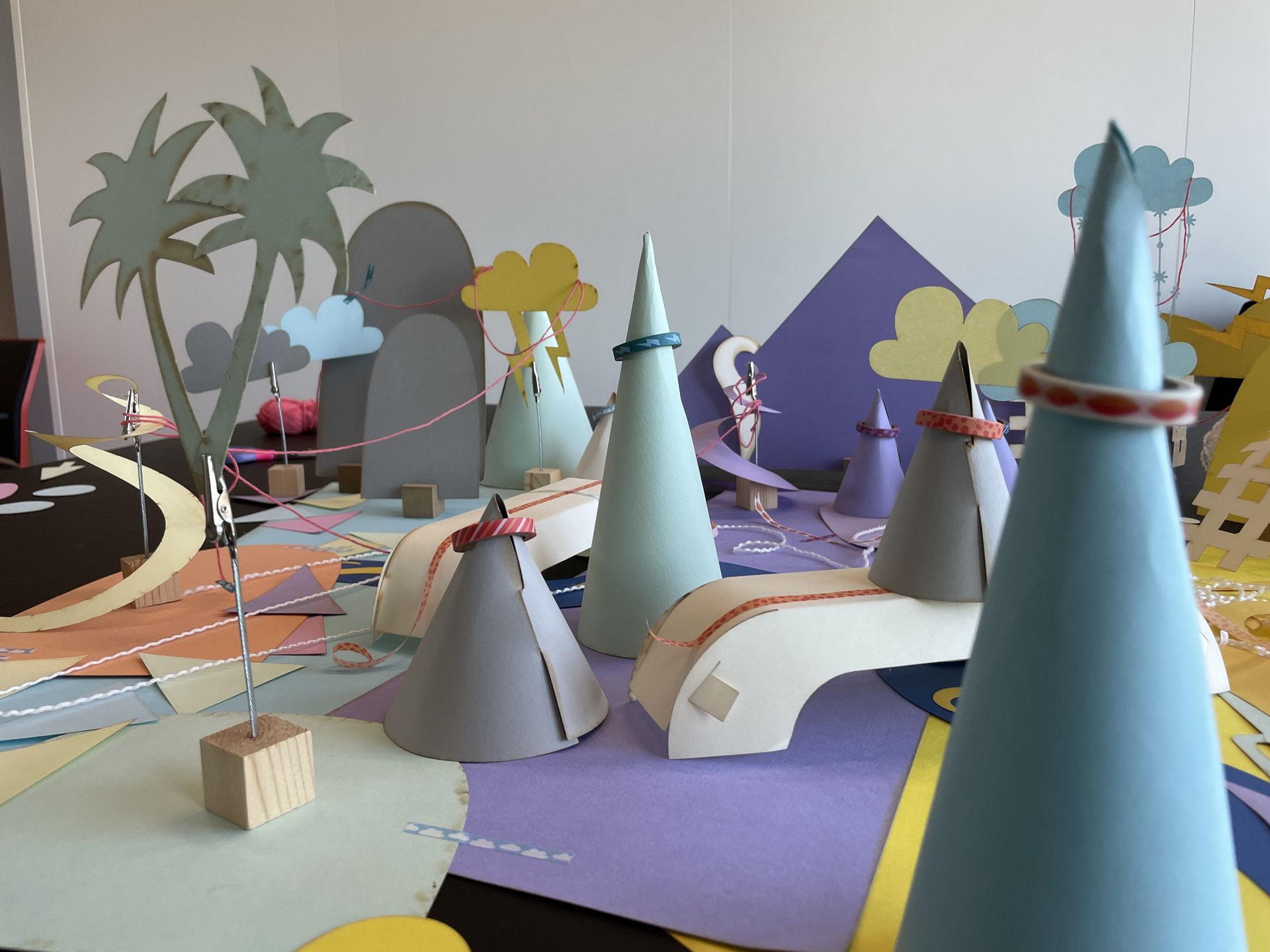
Within this study I explore physical construction of lived experiences with the Thinking with Things toolkit developed by Dan Lockton (2019) to help Bachelor Design students reflect on their Professional Identity and Vision. 

The paper written for this course has been submitted to the 25th International Conference on Engineering & Product Design Education, and has since been accepted.

The project has been instrumental for my understanding of Design & Research Processes, especially methodology, reporting on results, and academic writing.

Ricketts, D., & Lockton, D. (2019). Mental Landscapes: Externalizing Mental Models Through Metaphors. Interactions, 26(2), 86-90.
MSc Core Course: Constructive Design Research

Trust and Information Display Methods in Interfaces of Semi-Automatic Home Systems

Key Developments:   Design Research Processes, User & Society​, Technology & Realization

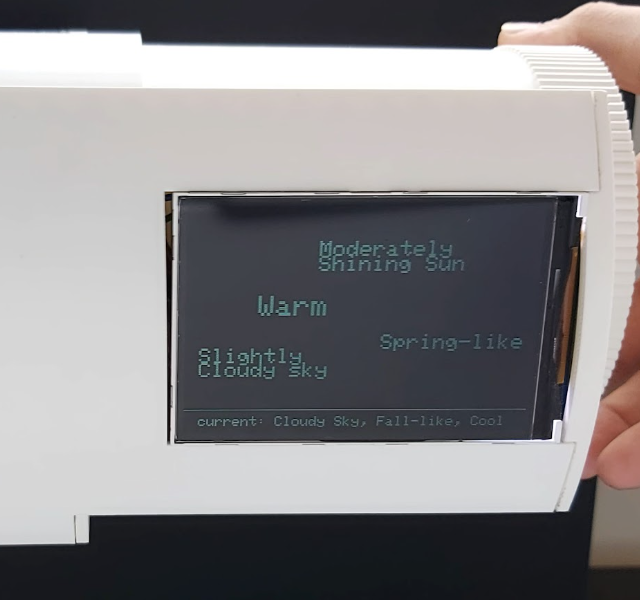
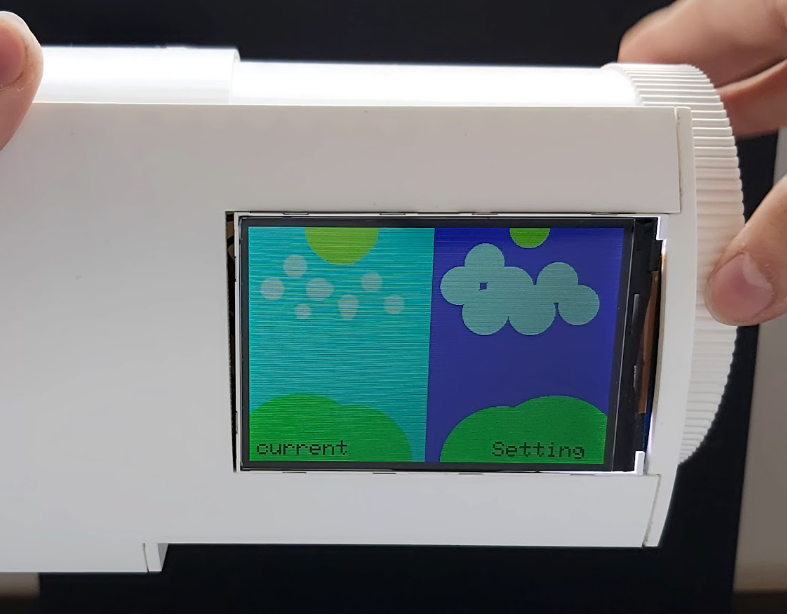
This study explores the influence of information display methods on the trust in semi-automatic home systems. Three versions of the ‘Turnostat’ thermostat are used to inquire how visual, text-based and number-based information displays influence different components of trust.

The project was key in developing my interest in information visualization. The course also introduced me to research methodologies, and throughout the process I took a leading role in the technology and programming of the design interface which benefited my development of Technology and Realization.